

Built for the business of British property.
Websites, portals, apps and back-office software for landlords, letting and estate agents, short-let operators, HMO landlords, managing agents and developers. Designed, built, hosted and looked after by BozApps, a UK studio with mapping in its roots.



I am a…
Every corner of property works differently. So do we.
A landlord with three flats, a letting agency with two branches and a developer with forty plots do not need the same software. Pick the page that sounds like you.



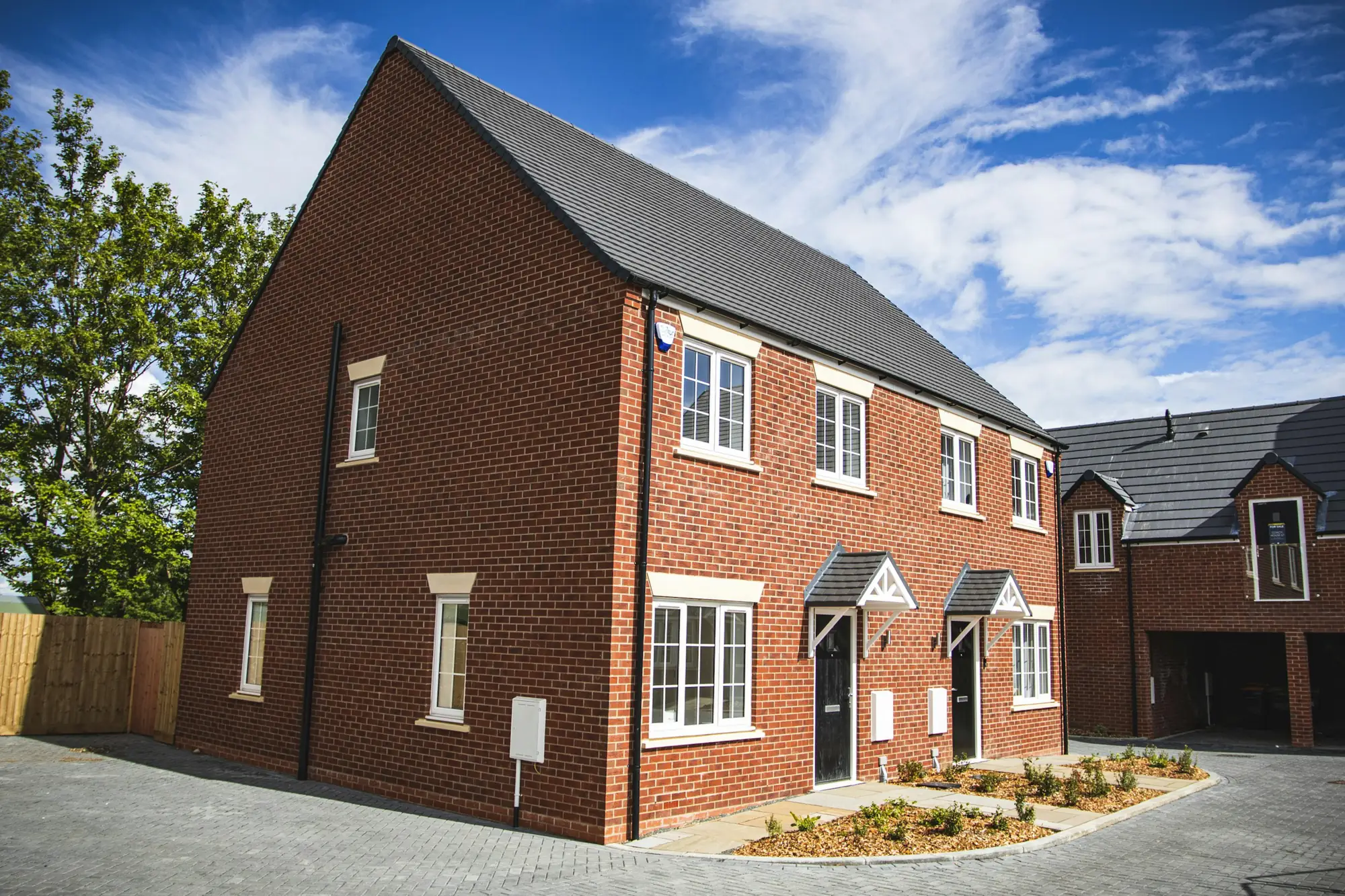

Twelve things we build, one system underneath.
Start with the piece you need most. Because everything is built on the same foundations, the website, the portal and the back office can share one set of records as you grow.
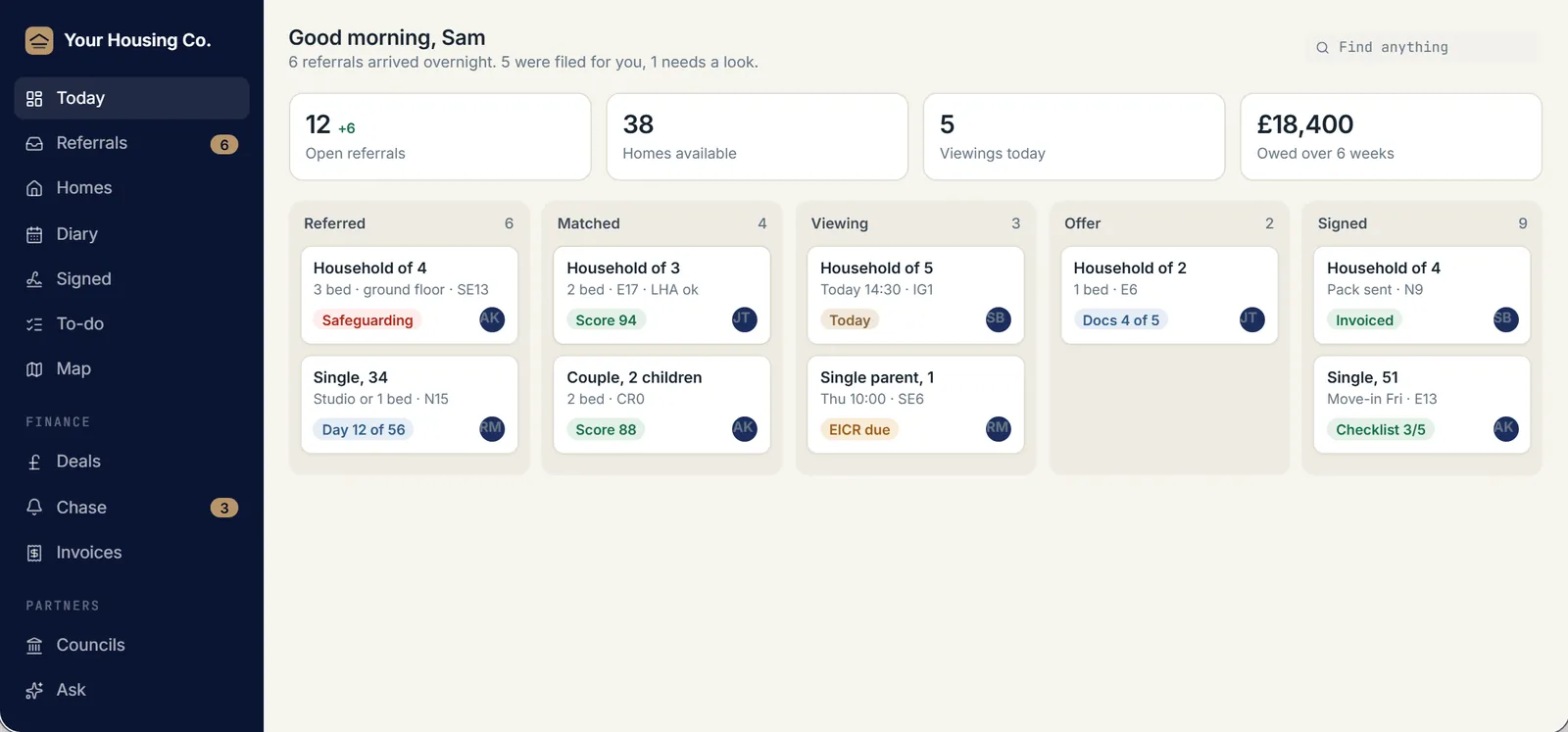
Screens your team will actually want to open.
Calm, quick and clear on a laptop, a tablet or a phone. A few examples of the screens we build, shown with sample data.
Homes with a lapsed certificate or an urgent repair rise to the top.
Renewals, rent reviews and registration windows built from your own records.
What is due, what is in and what is late, by home and by tenant.
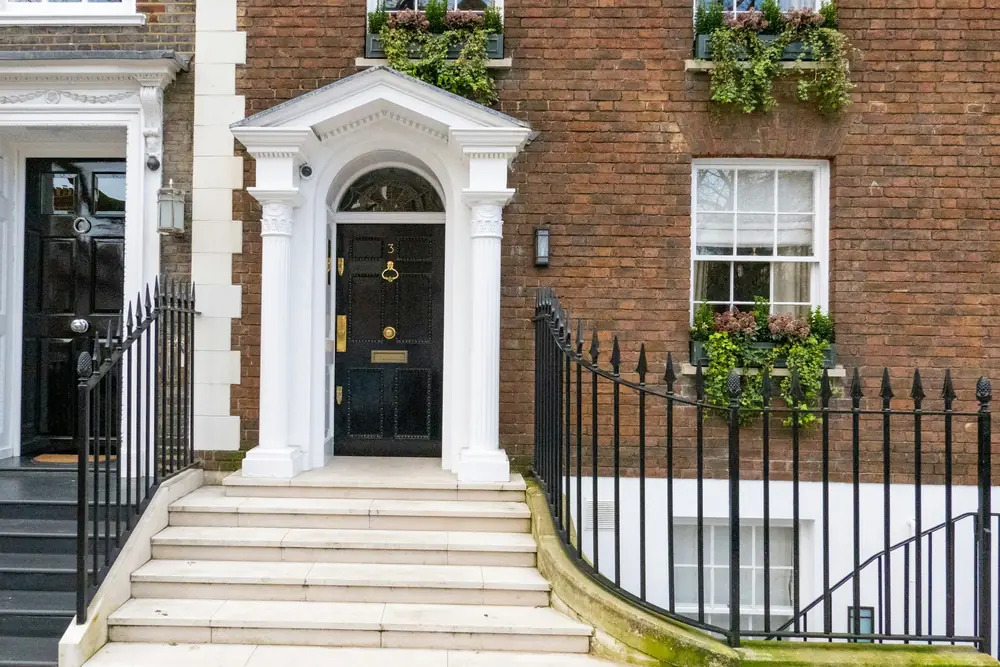
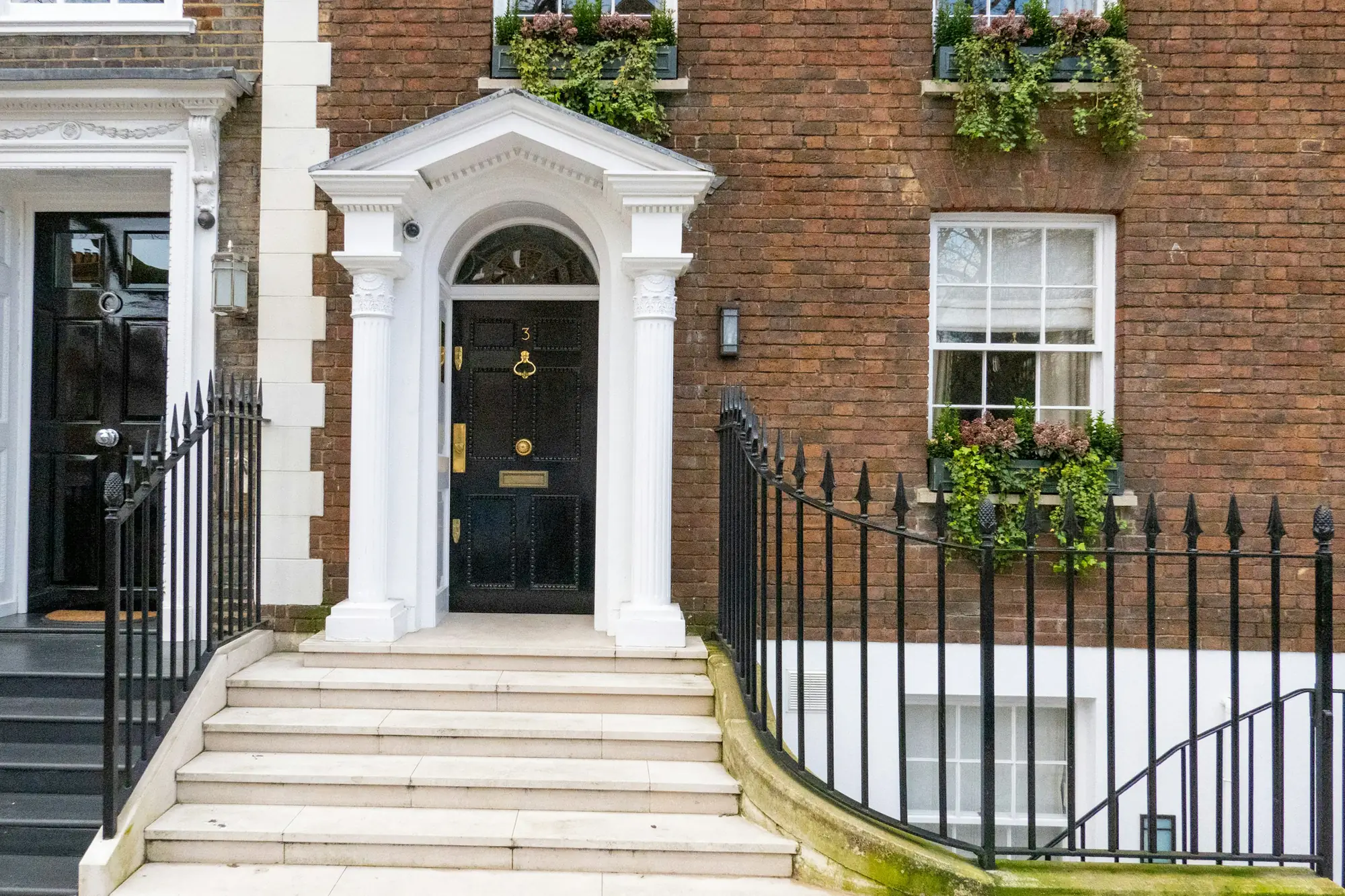
 Photo: Sean, Unsplash
The rules changed on 1 May 2026. More is coming.
The Renters' Rights Act rewrote how homes are let in England, and the dates keep coming: a national register, an ombudsman, new standards. Every one of them means records to keep and deadlines to meet.
Landlords with qualifying income over £50,000 must keep digital records and send quarterly updates from compatible software. The threshold falls to £30,000 from April 2027 and £20,000 from April 2028. Updates are due on 7 August, 7 November, 7 February and 7 May.
Source: HMRC, Find out if and when you need to use Making Tax Digital for Income Tax
Most private tenancies in England became assured periodic tenancies with no fixed end date, new and existing alike. Section 21 no-fault evictions ended, possession now uses section 8 grounds and Form 3A, and new tenants must get the key terms in writing.
Source: GOV.UK, Renters' Rights Act: an overview for landlords
Every written advert must show a single rent, and landlords and agents cannot invite or accept offers above it. No rent can be taken before signing, and usually no more than one month's rent between signing and moving in.
Landlords will register themselves and every let home, with gas, electrical and energy certificate evidence. Regions are planned to open in turn, from the West Midlands on 15 December 2026, with London from 15 July to 14 October 2027. The regulations still need Parliament's approval, and the government's planned fee is £65 per property per year. The landlord starts each registration, and an appointed letting agent can supply the property details.
Social landlords already face fixed deadlines to investigate and fix hazards such as damp and mould. The government is consulting on extending this to private tenancies, including how quickly emergencies must be dealt with. Scotland's version has applied to private landlords since 6 October 2026.
Source: GOV.UK consultation, Extending Awaab's Law to private rented tenancies
Property income will have its own rates of 22%, 42% and 47% from 6 April 2027, and mortgage interest relief will be given at 22%. Scotland and Wales can set their own rates. Checked before the Budget on 28 October 2026.
Source: HMRC, Change to tax rates for property, savings and dividend income
All private landlords will have to join a new ombudsman that settles tenants' complaints with binding decisions, including compensation. Membership is expected to become compulsory in 2028, with notice beforehand.
Source: MHCLG, Implementing the Renters' Rights Act 2025: roadmap
Rented homes in England and Wales must be EPC band E or better unless an exemption is registered. The government has decided to raise this to band C for all tenancies by 1 October 2030, with a £10,000 cost cap per property, but the regulations are not yet law.
Source: GOV.UK, Improving the energy performance of privately rented homes: government response
The government plans to apply a new Decent Homes Standard to private rented homes from 2035. Councils can already fine up to £7,000 over the most serious Category 1 hazards.
Source: GOV.UK, The new Decent Homes Standard: policy statement
England unless stated. A summary to show where software helps, not legal advice. Checked 23 October 2026.
Maps and data are our home ground.
BozApps grew out of Bozmaps, a UK mapping studio. So the property tools we build can draw on official data: sold prices, rents, energy ratings, planning and flood risk, on maps your clients can actually use. Here are real London rents from the Office for National Statistics, by borough.
Average London rent, up 3.5% in a year
Average UK rent, up 3.8% in a year
Source: ONS Price Index of Private Rents, September 2026 figures published 21 October 2026. Official statistics in development. Borough boundaries: ONS, contains OS data © Crown copyright and database right 2024.
Property work that is live today.
Real websites and systems in use by UK property businesses. Open each one for the full story.
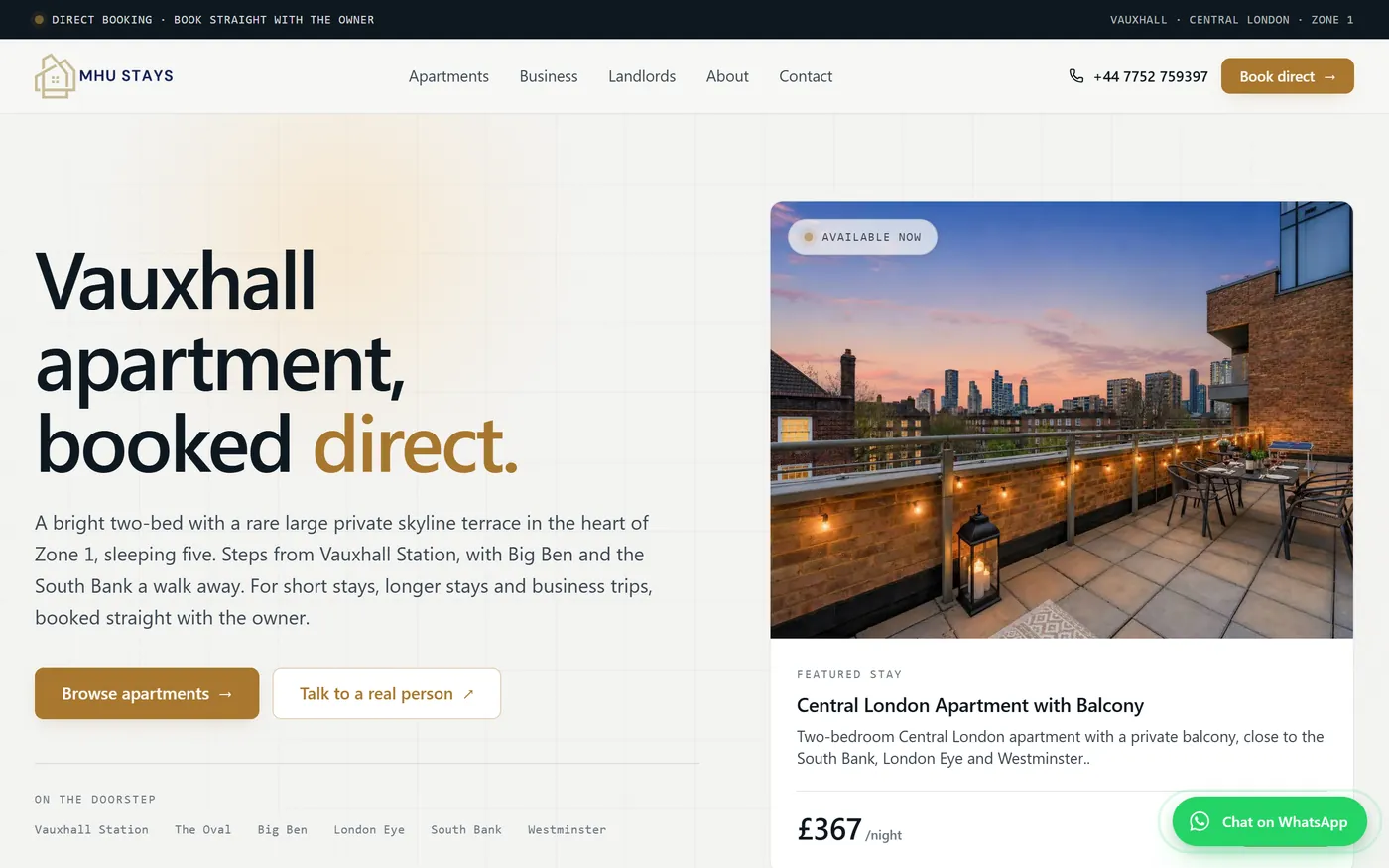

Four nations, four rulebooks.
A tenancy in Cardiff, Glasgow or Belfast is not a tenancy in Croydon. We build for the rules where your homes actually are.
 Bethany Opler, Unsplash
England
Renters' Rights Act 2025 · assured periodic tenancies
Average rent £1,466 a month, up 4.0% in a year (September 2026)
- Section 21 ended on 1 May 2026, and tenancies have no fixed end date
- Rent rises once a year on Form 4A, with two months' notice
- Right to Rent checks for every adult before a tenancy starts
- A national landlord register is planned region by region from December 2026
Source: GOV.UK, Renters' Rights Act: an overview for landlords
 Rupert Gale, Unsplash
Wales
Renting Homes (Wales) Act 2016 · occupation contracts
Average rent £848 a month, up 4.1% in a year (September 2026)
- A written statement of the contract within 14 days of moving in
- Mains-wired, interlinked smoke alarms and an electrical report every five years
- Every landlord registers with Rent Smart Wales, and self-managing landlords need a licence
- No-fault notices need six months, and cannot be served in the first six months
 Chris Flexen, Unsplash
Scotland
Private residential tenancies · landlord registration
Average rent £1,011 a month, up 0.7% in a year (September 2026)
- Open-ended tenancies since December 2017, ended only on set grounds
- Landlords register with each council they let in, every three years
- Damp and mould must be investigated within 10 working days since 6 October 2026
- Deposits capped at two months' rent and protected within 30 working days
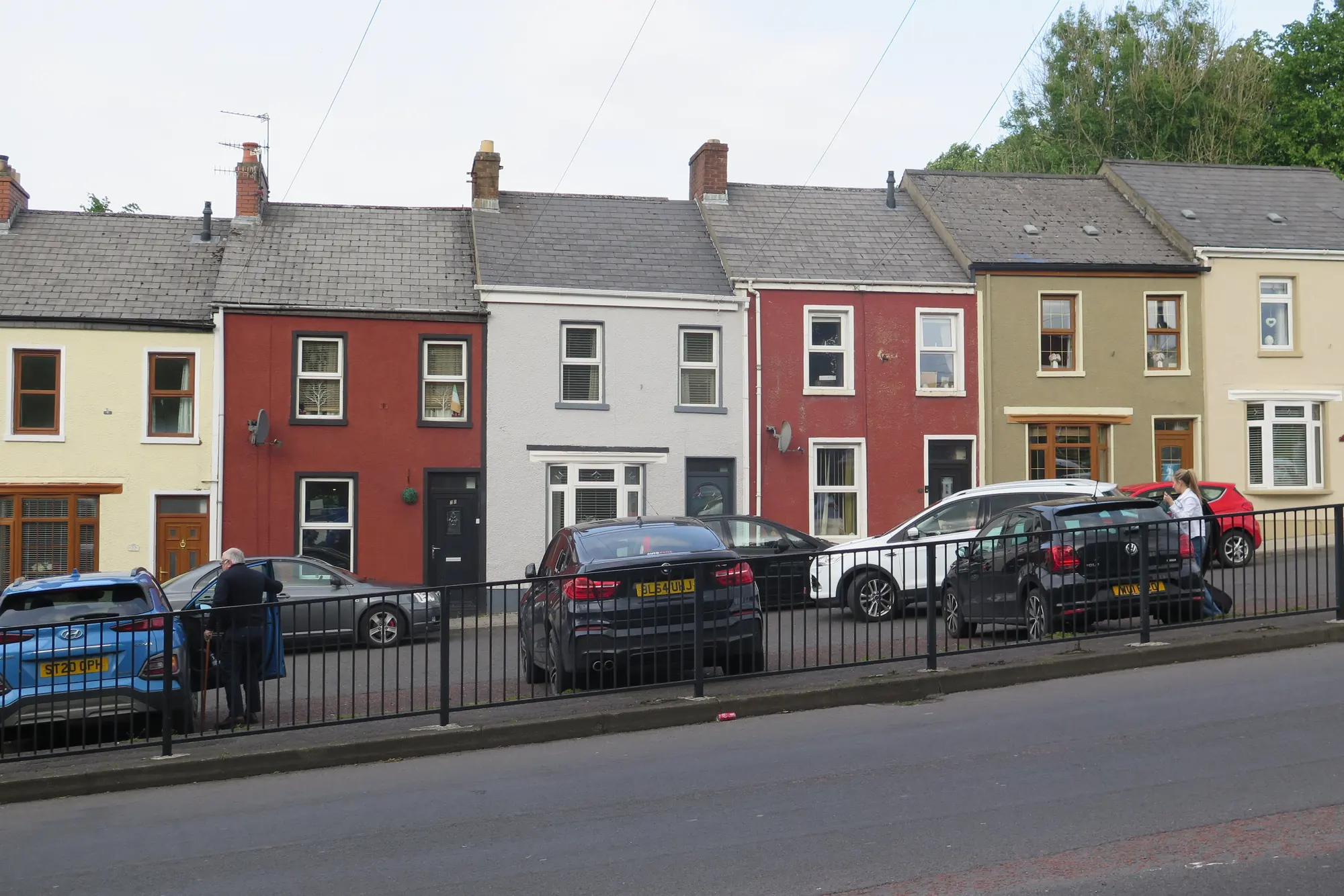 Cutlass, CC0
Northern Ireland
Private Tenancies Act (Northern Ireland) 2022
Average rent £879 a month, up 1.7% in a year (July 2026)
- Deposits capped at one month's rent and protected within 28 days
- Rent can rise only once in 12 months, with three months' notice
- Electrical checks at least every five years, with interlinked smoke and heat alarms
- Every private landlord joins the Landlord Registration Scheme
Rents: ONS Price Index of Private Rents, published 21 October 2026. Rules checked against each government's own guidance on 23 October 2026. A summary, not legal advice.
From a first call to the tool your team reaches for.
No long contracts, no surprises. A fixed price before we start, and the same person from the first call to the hundredth change.
You tell us how your week runs. We ask about the sheets, inboxes and apps you rely on today.
We agree what the first version does, who uses it and what it replaces, with a fixed price in writing.
We build it around your process, bring your records across and show your team round.
We host it, look after it and keep improving it. You ask for changes, we make them.
Fast, secure hosting, monitored around the clock.
Ask for a change in plain English and we make it.
Security updates and backups handled without you asking.
Add a portal, an app or a new branch when you are ready.
The rules, in plain English.
Guides written for landlords, agents and hosts, checked against official sources and dated, so you know what applies today.
What property people ask us.
Anything else, ask us on the call.
Do you only work with big agencies?
Is this off-the-shelf software?
How much does it cost?
Can it work with the systems we already use?
Do you hold tenants' or landlords' money?
Where is our data kept?
Do you cover Wales, Scotland and Northern Ireland?
Is your guidance legal advice?
Where are you based?
Who will we actually deal with?
Tell us how you work today.
A short call, your screen and ours. We listen to how your week runs, show you what we would build, and give you a fixed price in writing.
- Built around your process, not a template
- Hosted, looked after and improved by us
- One UK studio from first call to launch
Prefer email? semir@bozmaps.com