
GEO: Get Found by AI Assistants
Generative Engine Optimisation is the work of making a business readable, quotable and trusted by the AI assistants people now ask instead of searching. It is not SEO with a new name, and it is not one thing you install. Each engine sources differently: ChatGPT reads Bing's index, Claude reads Brave, Perplexity runs its own crawler, and Google AI Mode fans a single question out into dozens of sub-questions. Only about 2% of cited pages appear across all of them, so we check and fix each engine separately, then measure whether you actually get cited.
Good for…
- Businesses whose customers have started saying they found them through ChatGPT
- Anyone watching search clicks fall while rankings stay the same
- Firms in a category where buyers ask for a recommendation rather than a list
- Businesses already ranking on Google who get no mention in the AI answer above it
What you'll get
- A free AI visibility check: we run your real buyer questions through ChatGPT, Claude, Perplexity and Google AI and show you what comes back
- Crawler access audit, including the CDN layer where most blocks actually happen
- Answer-first rewriting: question headings with self-contained answers an assistant can lift
- Fan-out coverage so you answer the sub-questions, not just the headline one
- Server-rendered content, because AI crawlers do not run JavaScript
- A quarterly citation report showing where you were cited and where you were only mentioned
Shipped examples
Real projects we've delivered in this category.
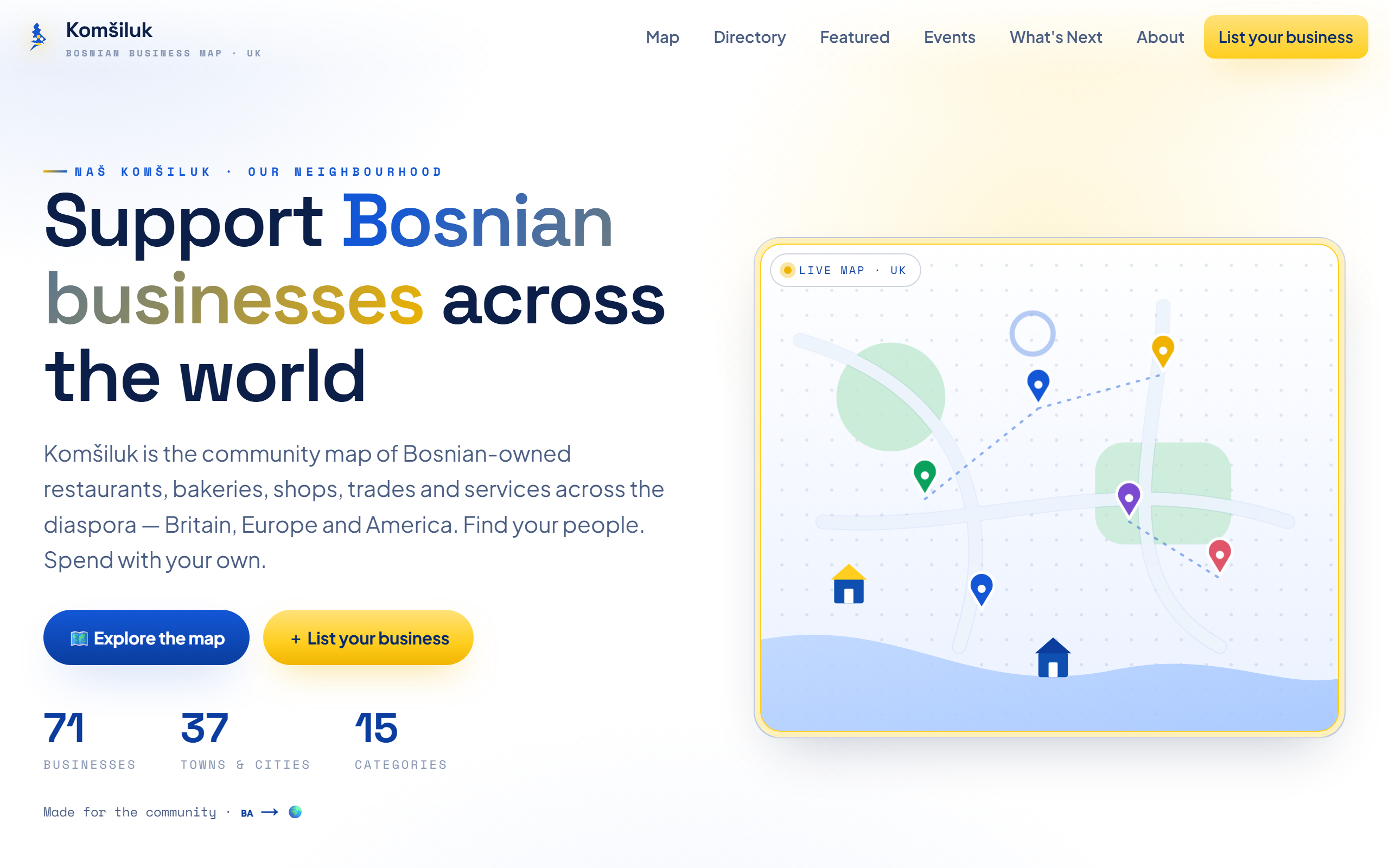
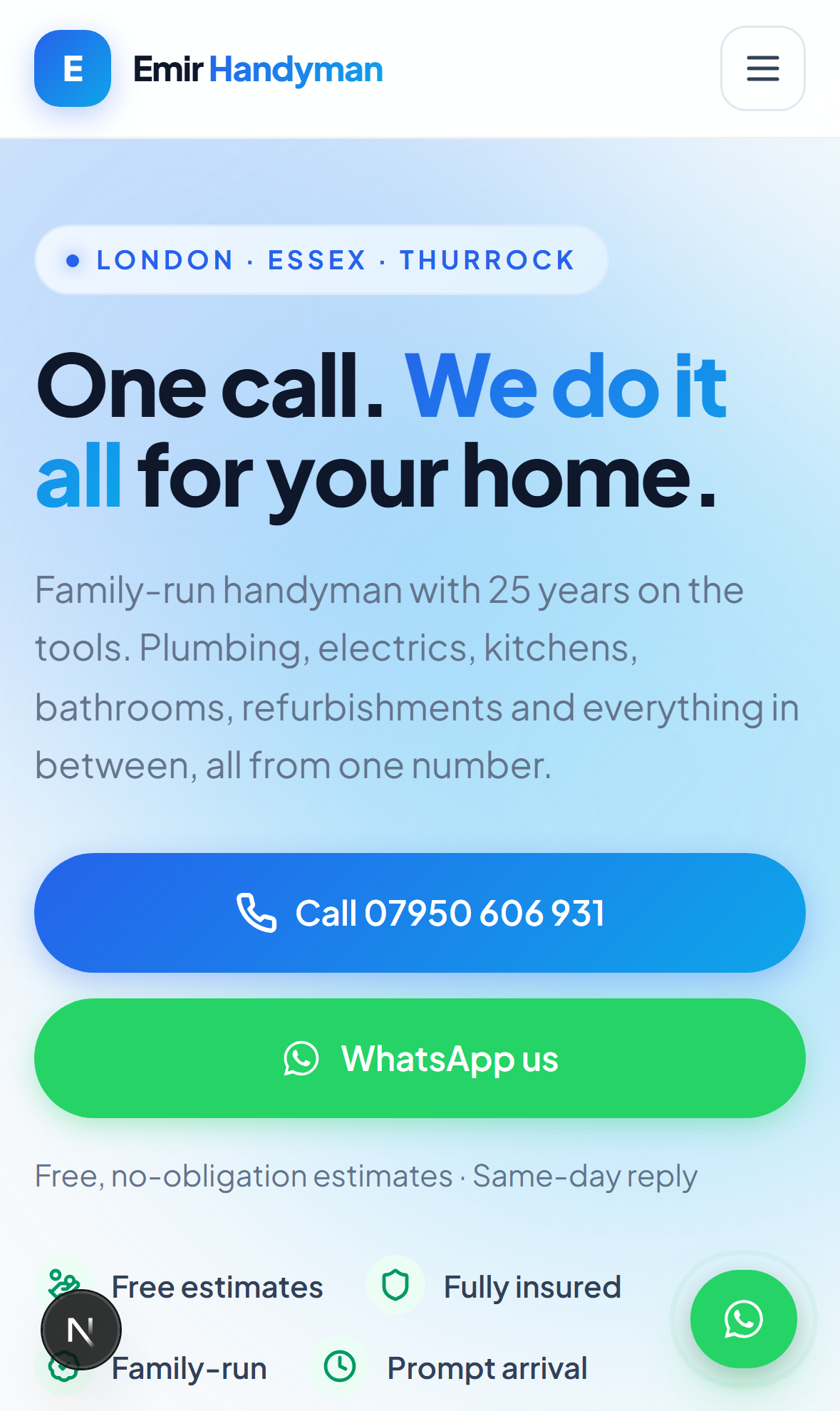
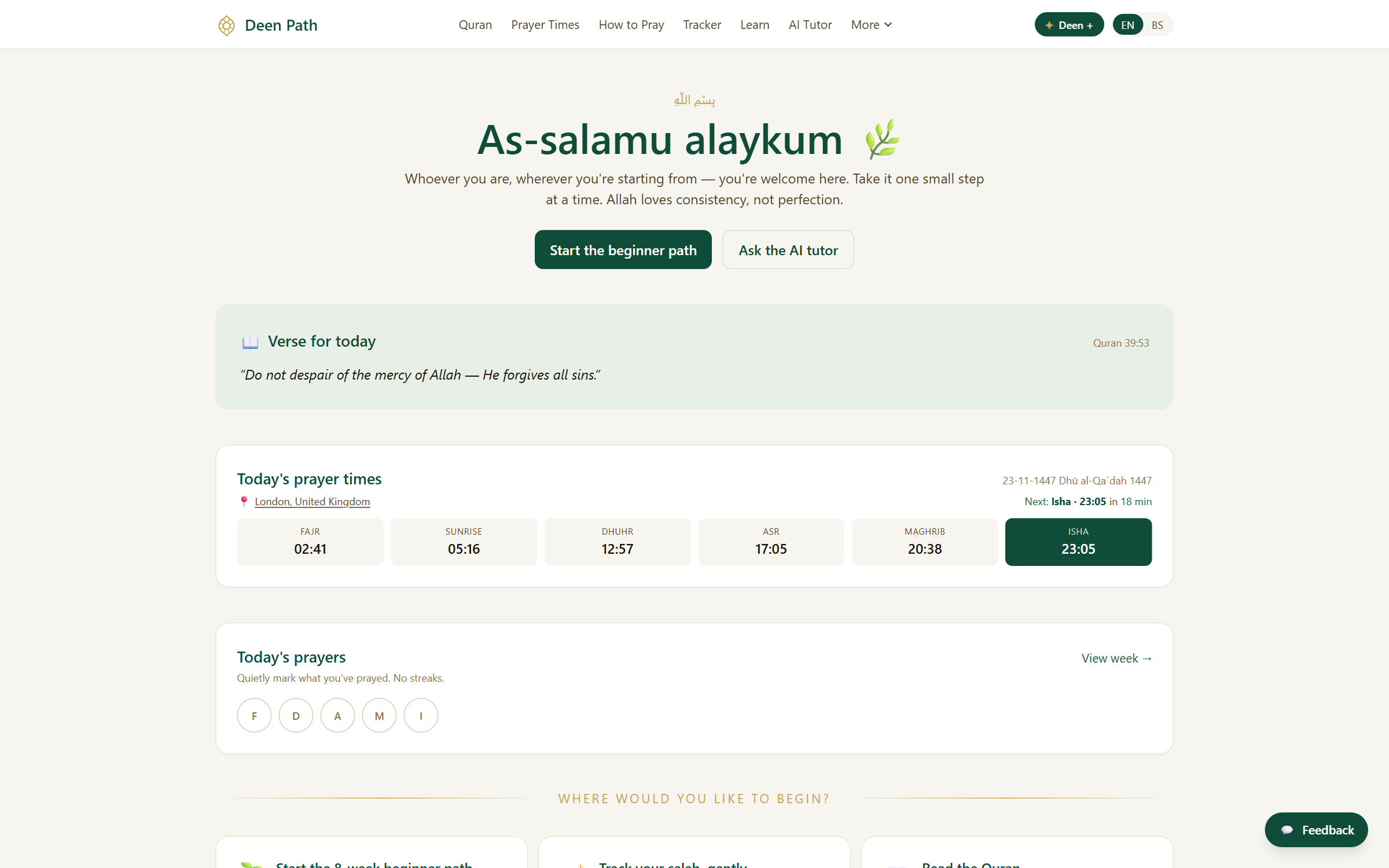
GEO: Get Found by AI Assistants by industry
Sector-specific geo: get found by ai assistants for our flagship UK industries.
- GEO: Get Found by AI Assistants for Trades
- GEO: Get Found by AI Assistants for Councils
- GEO: Get Found by AI Assistants for Property
GEO: Get Found by AI Assistants across the UK
BozApps delivers geo: get found by ai assistants in every major UK city. Pick your location for tailored detail.
Frequently asked questions
What is GEO, in plain English?
GEO stands for Generative Engine Optimisation. When someone asks ChatGPT, Claude, Perplexity or Google AI for a recommendation instead of searching, the assistant picks a handful of businesses to name and cite. GEO is the work of making sure yours is one of them: readable to the crawlers, quotable in the answer, and trusted enough to be chosen.
Is GEO just SEO with a new name?
No, and anyone telling you it is has not checked. Only about 2% of pages cited by AI assistants appear across ChatGPT, Perplexity and Google AI together, because each engine sources differently. ChatGPT reads Bing's index, Claude reads Brave, Perplexity runs its own crawler, and Google AI Mode breaks one question into dozens of sub-questions. Good SEO helps, but it is not the same job and it is not measured the same way.
Can you guarantee I will be recommended by ChatGPT?
No, and treat anyone who guarantees it as a warning sign. Answers are non-deterministic: ask the same question twice and you can get different sources. What we can do is fix the things that demonstrably move the odds, then measure your citation rate across a fixed set of buyer questions each quarter so you can see the trend rather than take our word for it.
What actually gets a business cited?
In order of evidence: being mentioned by name on other people's sites, having pages written answer-first so a passage can be lifted whole, covering the sub-questions around your main one, keeping content genuinely fresh, and publishing something an AI cannot synthesise elsewhere, like real prices, real jobs and first-hand experience. Structured data is worth having for Google, but a controlled test on nearly 2,000 pages found it produced no AI citation uplift, so we will not sell it to you as GEO.
Do I need an llms.txt file?
Almost certainly not. A study of over 137,000 domains found 97% of llms.txt files were never requested at all, and no major assistant is confirmed to use one. It is harmless, it takes ten minutes, and we will add one if you want it, but we will not put it on an invoice or pretend it is the work.
How do you measure whether it worked?
We fix a set of ten to fifteen real questions your buyers ask, run them through each engine, and record two separate numbers: how often you were cited as a source, and how often you were actually named in the answer. Those differ a lot, because roughly 62% of citations never name the brand. You get the same table every quarter with the change marked.
Is AI search actually worth the effort yet?
Honestly, it is a small channel today, around 1% of referrals, but it converts several times better than ordinary search traffic and it is growing fast. The stronger argument is defensive: about 68% of Google searches now end without anyone clicking through, and being the business named in the answer is the only way to be present in that. Anyone selling you AI visibility as a traffic firehose is overselling it.
Ready to scope geo: get found by ai assistants?
30-minute call. Written proposal within five working days. Fixed price wherever the scope allows.